Two screens can display similar account names while pointing to different payees.
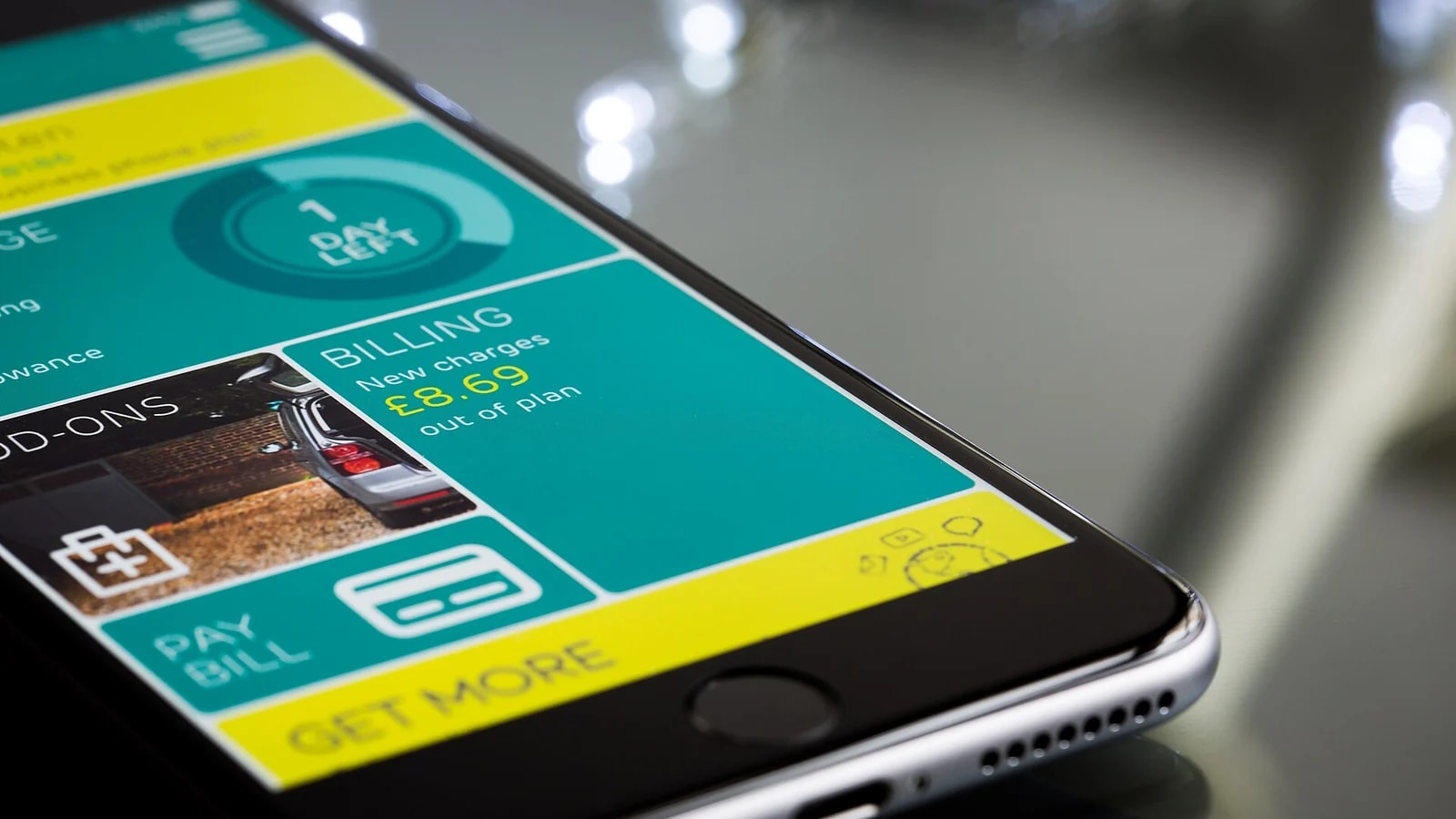
A phone displaying a banking interface highlights where recipient details need independent confirmation.
Where beneficiary checks enters the decision
A trader may see a nickname in the marketplace, a bank beneficiary in the payment app and another person in chat. Matching all three without assumptions is essential before money moves.
How wallet addresses affects settlement
The destination is ultimately an account or address controlled by someone, not a decorative name on a profile. Bank rails use beneficiary identifiers; blockchain transfers use addresses and networks. A label can describe a recipient, but the underlying identifier determines where the value goes. For an overview of why payment destinations need independent checks, the informational guide at https://shiftalcoin.com/ discusses P2P settlement and custody without confirming unknown recipients.
A real-world question involving beneficiary checks
Imagine that a wallet address shown in chat differs from one displayed by the authenticated recipient. Even a single changed character can matter. Compare the full destination and network using original sources, not a spoken description of the first and last characters. The crucial issue is control of the destination, not the warmth of the messenger.
Verify the destination, not just its label
The beneficiary of a P2P payment may be represented by several names across different systems. A marketplace username is not necessarily the legal account holder; a bank can abbreviate a name; and a wallet label may be chosen freely by the user. The task is to connect a specific destination to the exact order under consideration. For bank payments, use the account identifier alongside the name displayed by the financial app. For digital assets, verify the complete address and supported chain. A plausible label is never sufficient evidence that the intended party controls the destination.
If the contact gives a wallet address and a matching-looking screenshot, ask where that address appears in the platform's genuine settlement process. A single copied character can change the destination, and a perfectly formed address can still belong to an attacker. When the route uses a bank, compare the account details on the live order instead of relying on spoken spelling. The same habit should extend to support requests: someone who wants the transfer sent to a rescue account is proposing a new payment, not correcting the old destination. Keep the identifiers distinct in your notes.
How to test the claim
Write down only the minimal destination fields needed for comparison: account label, last digits where appropriate, network, wallet prefix and order reference. Reopen the genuine order to see which fields were authorized rather than trusting a saved screenshot. The network dimension of destination checking is developed in Comparing Bitcoin and USDT P2P Quotes Without Unit Errors, where a correct-looking address can still be unsuitable.
- Compare full addresses or account identifiers through two independently reached interfaces.
- Confirm the intended asset and chain before interpreting a destination as usable.
- Pause if a nickname matches but the underlying account or address does not.
The risk hidden by wallet addresses
Copying a wallet address from a forwarded image invites transcription error and impersonation. For bank payments, an almost-matching name can hide an unrelated recipient. In both cases, an unexplained switch should stop the process.
A measured conclusion on beneficiary checks
The decisive check is not whether the recipient name looks familiar; it is whether the destination belongs to the authorized transaction. Preserve the discrepancy and ask for confirmation through the platform before proceeding.
#BeneficiaryChecks #WalletAddresses #P2PTransfers